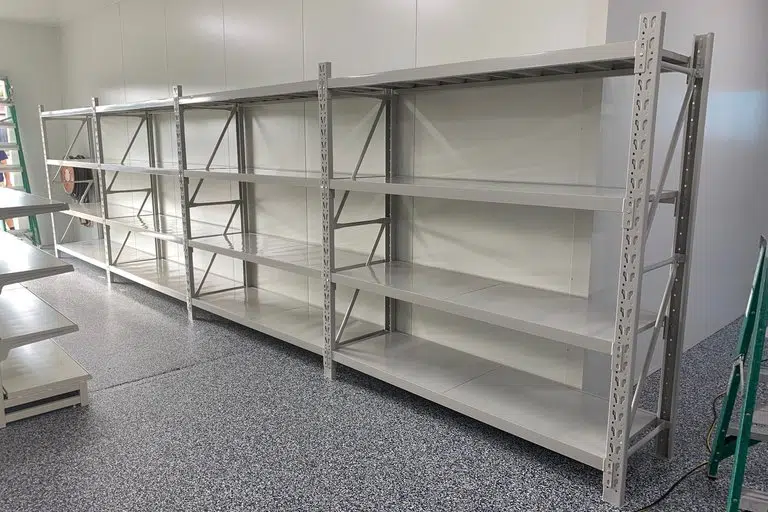
Without proper storage container shelves, a shipping container is just a big steel box. It's a recipe for chaos. But with the right shelving, it transforms into a seriously organised and efficient space.
Instead of just piling boxes on the floor where you can't get to anything, a good shelving system lets you use the full vertical height of the container. Suddenly, everything is easy to find and access. It’s a genuine game-changer for getting the most out of every square metre.
Unlock Your Container's True Potential
A shipping container is a fantastic blank canvas, but we’ve all seen how quickly they can become a frustrating mess. When you stack boxes and equipment directly on the floor, you create a classic "last in, first out" problem. The one thing you need is always buried at the very back. It's not just annoying; it's inefficient and can even be unsafe.
The right storage container shelves solve all of this. They create a structured, accessible environment, turning a single-level dumping ground into a multi-level library for your gear. For a small business, this means faster stocktakes and picking orders. For a homeowner, it means no more digging through mountains of Christmas decorations to find the camping tent.
This need for smart, external storage is booming across Australia. With our cities getting denser and homes smaller, more Aussies are looking for ways to declutter. It's no surprise the local self-storage market is projected to hit almost USD 1.9 billion by 2034, driven by urbanisation and the shift to apartment living. You can read more about Australia's growing storage market to see the trend.
Key Benefits of a Shelving System
By installing a quality set of shelves, you instantly get a few massive wins:
- Maximised Space: You can finally use the full height of the container, often doubling or tripling your usable storage area. Going vertical is the secret.
- Improved Accessibility: Everything gets its own spot, making it simple to find and grab what you need. No more unloading half the container for one box.
- Better Organisation: You can group items logically, whether it’s business inventory, workshop tools, or household goods. This brings a sense of calm and control to the space.
- Increased Safety: A tidy container with sturdy shelving stops things from toppling over and creating hazards. It also keeps walkways clear and safe.
At Super Rack, we know that a smart layout is the foundation of good storage. We supply high-quality, durable shelving solutions built for the job, backed by expert advice and nationwide delivery. Let us help you turn that empty container into a perfectly organised asset.
Choosing the Right Shelving for Your Container
Nailing the right storage container shelves is easily the most important decision you'll make. It’s not just about cramming stuff in; it’s about creating a system that actually works for what you’re storing. Get this bit right, and your container transforms from a simple box into a powerhouse of organisation.
First things first, what are you actually putting on these shelves? Is it archive boxes full of old paperwork, or are we talking heavy-duty tools and engine parts? The answer immediately tells you what sort of weight capacity you're chasing. A small gearbox weighs a heck of a lot more than a box of Christmas decorations, so the shelving needs to be up for the job.
Understanding Materials and Types
When you're dealing with Australia's climate, from coastal humidity to the dry outback heat, high-grade steel is a clear winner. Unlike timber, it won’t warp, rot, or become a snack for termites. Steel gives you the grunt you need for both light and heavy loads, making it a reliable, long-term choice.
You’ve also got two main styles to think about:
- Freestanding Units: These are brilliant for flexibility. You can pop them together inside the container without drilling a single hole, and if your needs change down the track, you can just move them. Perfect if you're renting the container or just want a setup you can adapt.
- Bolt-in Systems: For maximum stability and peace of mind, especially with seriously heavy gear, bolting your shelves to the container is the way to go. This locks everything in place, creating an incredibly sturdy and permanent structure.
Finding smart storage solutions is becoming a bigger deal for Aussies. In fact, the home storage market in Australia is booming, set to grow from AUD 453.6 million in 2024 to over AUD 1 billion by 2033. With more people living in smaller spaces, everyone's on the hunt for clever ways to stay organised, which is why modular container shelving is taking off.
At Super Rack, we back high-quality steel shelving because we know it delivers the safety and durability our customers rely on. Think of it as a smart, one-time investment that pays you back for years.
Matching Shelving to Your Scenario
Let's make this real. Imagine a local sparky running their business out of a container. They need to store big rolls of cable, bulky tool cases, and tubs of small fittings. Their stock changes all the time. For them, adjustable heavy-duty storage shelf units are the perfect fit. They can shift the shelf heights up or down to handle different-sized gear, making sure not an inch of space goes to waste. When you're comparing options, it's worth it to review Timbercloud's product features to get a feel for the different specifications out there.
Now, think about a family using a container for household overflow—things like old furniture, bikes, and camping equipment. Their needs are totally different. A mix of tough, freestanding shelving for boxes alongside open floor space for the bulky items would give them that ideal balance of organisation and easy access.
Our team can walk you through these choices to make sure you land on a superior quality system at a great price. And with fast, nationwide delivery, Super Rack makes it simple to get the right storage container shelves sorted, no matter where you are.
How to Plan Your Container Layout Effectively
Any great set of storage container shelves starts with a smart plan. Before you even think about buying anything, the first job is to grab a tape measure and get the exact internal dimensions of your container. Your goal is simple: get the most storage possible without making it a nightmare to get your stuff out.
Proper planning saves you from the common headache of designing a layout that looks good on paper but is a total failure in practice. A well-thought-out design means you can easily grab items from the back without having to empty half the container first. That bit of forethought will save you countless hours of frustration down the track.
This visual guide breaks down the core steps for choosing the right shelves to match your plan.
The key takeaway here is that you need to match the shelves to your items, not the other way around.
Mapping Out Your Space
Think about how you'll actually move around inside the container. You have to plan for clear walkways. For most 20-foot or 40-foot containers, a central aisle is the most practical layout. This gives you two long runs of shelving on either side with direct access to everything.
You'll want an aisle that's wide enough to comfortably walk down, carry boxes, or even use a small hand trolley. A width of around 75cm to 90cm is usually a good target. This way, you’re not squeezing past shelves just to get to what you need at the back.
Thinking in Zones
Here’s a brilliant little trick for organising your layout: create dedicated zones. This is just a simple way of deciding what goes where, based on how often you’ll need it. It’s a dead simple but incredibly powerful strategy for making your life easier.
Give these examples some thought:
- Frequent Access Zone: Put this right near the container doors. It’s the perfect spot for things you grab all the time, like a tradie's power tools or the family’s bikes and sporting gear.
- Medium Access Zone: In the middle of the container, store the things you might need every few weeks or months. Think seasonal business stock, camping equipment, or project supplies.
- Archive Zone: Shove this stuff right up the back. This area is for genuine long-term storage. It’s the ideal spot for things like archive boxes, old furniture, or Christmas decorations that you only pull out once a year.
Going Vertical and Staying Flexible
Don't forget to look up! The internal height of a standard shipping container is a massive, often-wasted asset. By using taller shelving units, you can make the most of this vertical space, effectively doubling or even tripling your storage footprint.
Choosing adjustable shelving is one of the smartest moves you can make. Your storage needs will almost certainly change over time, and having the flexibility to easily reconfigure shelf heights means your system can adapt with you.
This kind of forward-thinking ensures your investment keeps working for you for years to come. At Super Rack, we offer a range of durable, adjustable storage container shelves and expert advice to help you design a layout that's practical, efficient, and perfectly suited to your needs.
Safe Installation and Assembly Guide
Once you've got your layout sorted, it's time for the hands-on part: safely installing your new storage container shelves. Getting the assembly right isn't just about looks; it's the foundation of a stable and secure storage setup. A little care here prevents a lot of headaches (and accidents) down the track.
First things first, prep your workspace. The floor of your container needs to be clean, bone dry, and as level as you can get it. Any old rubbish or moisture under the shelving feet can throw off the stability, and an uneven floor will cause the whole unit to lean over time. Spend five minutes sweeping it out and checking the surface—it's a must-do.
Following Instructions and Ensuring Stability
Always follow the manufacturer's assembly instructions to the letter. It can be tempting to wing it, but every single step is there for a reason, building up the unit's structural integrity. A good tip is to lay out all the components before starting. That way, you know exactly what you’re working with.
As you put the units together, double-check that every connection is tight and secure. For our freestanding shelves, give them a good shake before you load them up to make sure they're level and not wobbling.
If you’re storing seriously heavy gear or are worried about things shifting during transport, anchoring the units to the container walls or floor will give you total peace of mind. While our freestanding units are built tough, this extra step is best practice for heavy-duty use. For a deeper dive into best practices, our guide on installing pallet racking has some great principles you can apply here for maximum safety.
The Golden Rule of Weight Distribution
This is one of the most critical safety habits for any shelving system, and it massively cuts down the risk of accidents.
- Heaviest Items on the Bottom: Always, always put your heaviest and bulkiest goods on the lower shelves. This creates a low centre of gravity, making the entire unit rock-solid.
- Lighter Items Up High: The top shelves are perfect for lighter things you don't need to grab every day.
- Even Distribution: Spread the load evenly across the full length of each shelf. Piling everything in the middle is a recipe for a bowed or broken shelf.
Think about it this way: if you're storing big toolboxes and some paint tins, the heavy toolboxes belong on the ground-level shelf. The lighter paint tins can go up high. It sounds like common sense, but you’d be surprised how often this rule gets ignored.
A common mistake is putting heavy, frequently used items at waist height for convenience. While it feels easier to grab, it raises the centre of gravity and makes the unit top-heavy and unstable. Safety has to come first, every time.
Finally, a word on quality. Investing in new, high-quality industrial shelving is a safety decision in itself. Buying second-hand shelves might look like a bargain, but they can come with hidden rust, metal fatigue, or missing parts that just aren't worth the risk. When you choose Super Rack, you’re getting brand new, superior quality products with guaranteed load ratings, competitive prices, and the expert advice you need to build a genuinely safe and efficient storage space.
Organising Your Shelves for Quick Access
Right, the shelves are in and rock-solid. Now for the fun part: turning that raw structure into a genuinely usable, organised system. Good organisation isn't just about making the container look neat—it's about saving yourself time and headaches by finding what you need, when you need it.
The first move is getting your gear into the right containers. Forget cardboard boxes; they soak up moisture and fall apart over time. Tough, clear plastic tubs are the way to go. They protect your belongings properly, and if they're clear, you can get a rough idea of what's inside. Labelling is non-negotiable, though. Stick a clear label on the front and side of every tub so you can spot things at a glance.
Creating a System That Works
If you're running a business and managing inventory, a 'first in, first out' (FIFO) system is your best friend. It’s simple: new stock goes to the back, and you pull the older stock from the front. This keeps everything fresh and stops products from expiring or going out of date on the shelf.
To really dial it in, create a basic inventory list. This doesn’t have to be a complex database. A simple spreadsheet or even a whiteboard screwed to the inside of the container door does the job perfectly. Knowing exactly what you have and where it is can be a lifesaver when you're in a rush. Grabbing some sturdy storage containers with lids is the perfect starting point for building out this kind of smart system.
It’s no surprise that clever storage solutions are in high demand. Across Australia, we have about a third of the self-storage space per person compared to the US. With living spaces getting smaller, Aussies are crying out for better commercial and private storage options like container shelving.
A well-designed system, built on Super Rack’s durable shelving, is the foundation for lasting organisation. It’s not just about storage; it’s about creating a more efficient workflow for your home or business.
Practical Organisation in Action
Let's put this into a real-world context. Think of a passionate crafter. They could use their storage container shelves to sort supplies by project. One tub for painting, another for sewing, a third for woodworking tools. When an idea hits, they just grab the right tub and get straight to it—no more digging through piles of stuff for half an hour. That’s how you turn a hobby from a frustrating mess into pure enjoyment.
At the end of the day, the goal is a system that’s dead simple to use and even easier to maintain. When you pair quality shelving with smart habits, your storage container stops being a dumping ground and becomes a genuine asset.
Got Questions About Container Shelving? We’ve Got Answers.
Here are a few of the common questions we get asked about setting up storage container shelves. Getting the details right from the start saves a lot of headaches later, ensuring your gear is stored safely and efficiently.
What’s the Best Material for Shelves Inside a Container?
Hands down, the best choice for Aussie conditions is high-grade steel. It’s tough, holds a serious amount of weight, and won’t get bothered by the pests or moisture that can sometimes be an issue inside a container.
At Super Rack, all our shelving is made from top-quality steel for exactly these reasons. It’s built to handle heavy loads year after year, giving you a reliable storage setup you can forget about. Unlike timber, it’s never going to warp, rot, or become a snack for termites.
Do I Need to Bolt the Shelves to the Container?
That really depends on the type of shelving you choose and what you’re planning to store on it. Freestanding units are incredibly versatile and don’t require drilling into your container, which is a huge plus if you think you might want to change your layout down the track.
However, if you're storing seriously heavy items or need maximum stability—especially if the container might be moved—bolting the shelves to the walls or floor is your safest bet. It’s always best to check the weight ratings and what the manufacturer recommends.
Our team can talk you through the best approach for your specific needs. We'll help you find the right balance between flexibility and the rock-solid security your goods require.
How Much Weight Can Container Shelves Actually Hold?
The load rating can vary massively from one shelf type to another. Your standard light-duty shelves might hold around 100-200kg per shelf level, which is fine for lighter boxes and equipment.
But for the heavy stuff, you’ll want a heavy-duty option like the longspan shelving from Super Rack. These units can comfortably support 500kg or more per level. It's absolutely critical to pick shelving that can handle more than the weight of your items. Always check the Uniformly Distributed Load (UDL) rating from the supplier.
Never overload your shelves—it’s a massive safety risk. We make sure all our products have clear specifications so you can make a safe, informed choice.
How Can I Stop Moisture Damaging My Stuff?
Even a watertight shipping container can get a bit of condensation inside from temperature swings. A smart move is to leave a small gap between your shelving and the container walls to let the air circulate properly.
Switching from cardboard boxes to sealed plastic tubs is another great tip for protecting anything sensitive to moisture. You can also throw in a few moisture-absorbing products, like desiccant packs, to keep the humidity in check. Of course, using steel shelves from Super Rack helps a lot, as they won't soak up moisture or grow mould the way timber can.
Ready to get your storage container properly organised? Check out our range of high-quality, durable shelving solutions at Super Rack. With nationwide delivery and expert advice on tap, we make it easy to find the perfect setup.